
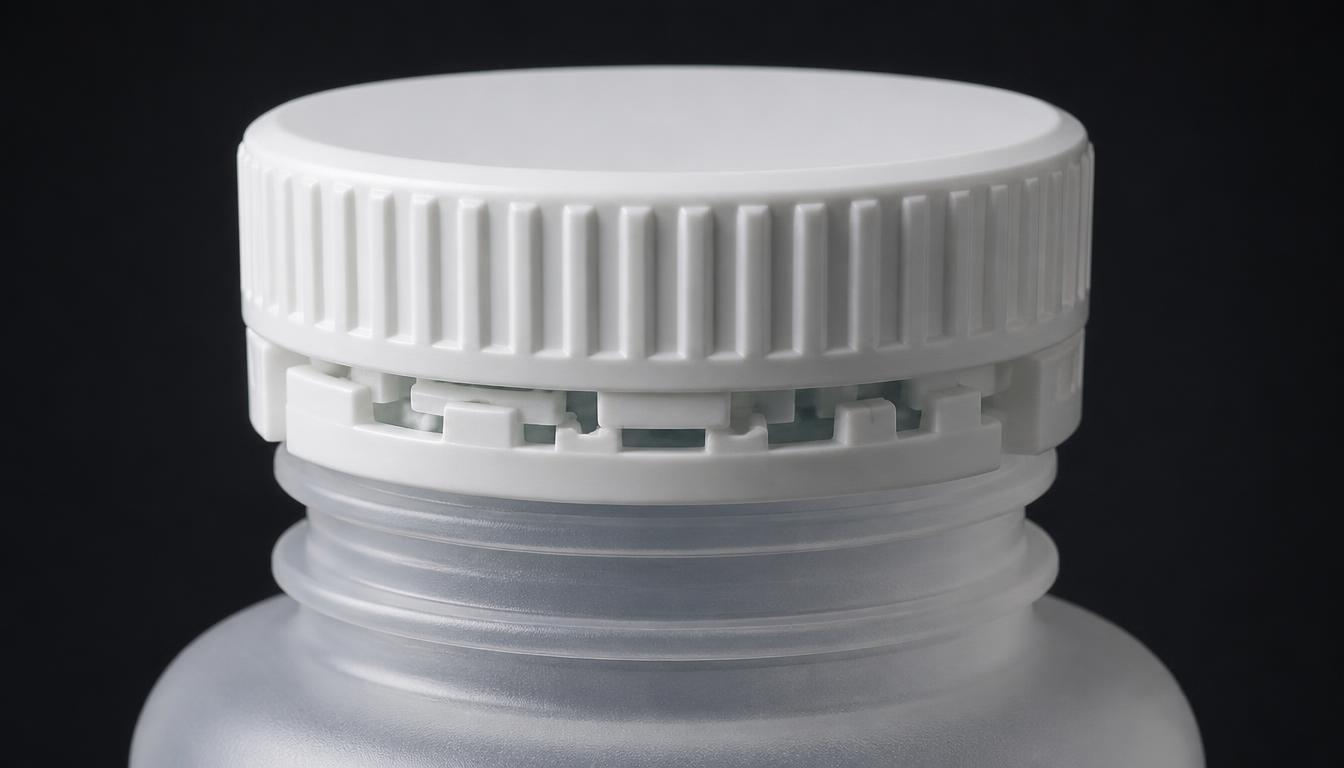
The two standards that matter
In Europe the reference is EN ISO 8317 for reclosable packaging. In the United States it is 16 CFR 1700.20 under the Poison Prevention Packaging Act. Both test the closure and container as one system, which is why swapping a cap from another supplier voids the claim.
What a compliance file should contain
Keep these five items per format, ready to send within a day of a request:
- Certificate referencing the exact bottle and closure combination
- Technical drawing with dimensions and label panel area
- Torque recommendation sheet for the capping line
- Food-contact or material declaration where the product requires it
- Batch or lot traceability from the supplier invoice
Where CR claims quietly break
Over-torquing at the capping line is the most common cause. Too tight and the closure deforms, too loose and the child-resistant action never engages. Set the capper from the torque sheet, then verify with a sample from every run.
Key takeaways
- Certify the bottle and closure as one system, never separately
- Store the certificate, drawing and torque sheet together per format
- Verify capping torque on a sample from every production run
Matching products in the catalog
The catalog opens pre-filtered on the formats this article is about.
Documents for this guide
The drawings, specs and certificates behind the numbers on this page. Preview them here first, no form in front of it.
Certificates
Child-resistance, food-contact and material documentation for the stocked formats, for your compliance file.
ComplianceTorque recommendations
Application and removal torque values per closure. Use these to set your capper before a production run.
SpecsLabels and dimensions
Label panel sizes and bottle dimensions per format, so your printer can set up artwork without guessing.
Drawings